The Scary (But True) Stories Kids Love About Ancient Rome
Every parent eventually asks the same question while planning a trip to Rome: how do I make 2,000 years of history interesting to a child who would rather be looking at their phone?
The answer, it turns out, is simpler than most people think. Kids don’t need simplified history. They need the parts adults usually skip – the genuinely shocking, slightly gruesome, completely true stories that ancient Rome has in abundance.
After 10 years of taking families through Rome, here are the stories that work every single time.
The Colosseum Could Flood - On Purpose
Most children expect the Colosseum to be impressive. Almost none expect it to have hosted naval battles.
But it did. The Romans built a system to flood the entire arena floor with water – diverting it from a nearby aqueduct – and staged full-scale recreations of sea battles, complete with ships and trained fighters, in front of 50,000 spectators.
Tell a child this while standing inside the Colosseum and watch what happens. The flat dusty floor in front of them suddenly becomes something else entirely. They start asking how. How much water. How long it took. Where the ships came from. This is the moment a stone ruin becomes a place where something actually happened.
Gladiators Had Secret Trapdoors
Beneath the arena floor was a network of tunnels and rooms called the hypogeum and from it, 28 elevators operated by ropes and counterweights could lift gladiators, scenery and animals directly into the arena.
This means a gladiator could appear to rise out of the ground. An animal could seem to materialise from nowhere. The crowd never knew what was coming next, because the entire show was designed around surprise.
For a child, this reframes the entire building. It is not just a stadium – it is a stage with special effects, built two thousand years before anyone had heard the word “special effects.”
Some Gladiators Were Celebrities - Not Slaves
This is the fact that surprises children most, because it contradicts everything they think they know.
While many gladiators were enslaved people forced to fight, others were free citizens who volunteered – signing contracts for fame and payment. The most successful gladiators became genuine celebrities. Their names were painted on walls across Rome. Crowds chanted for their favourites. At least one Roman writer described a senator’s wife leaving her marriage for a famous gladiator.
Children immediately want to know: why would someone choose this? The answer opens up an entire conversation about fame, risk and what people are willing to do to be remembered – a conversation that works surprisingly well for a 10 year old.
Michelangelo Hid Things in the Sistine Chapel - And Almost Went Blind Doing It
Every child who visits the Vatican is told to look up at the ceiling. Almost none are told the story of how it got there.
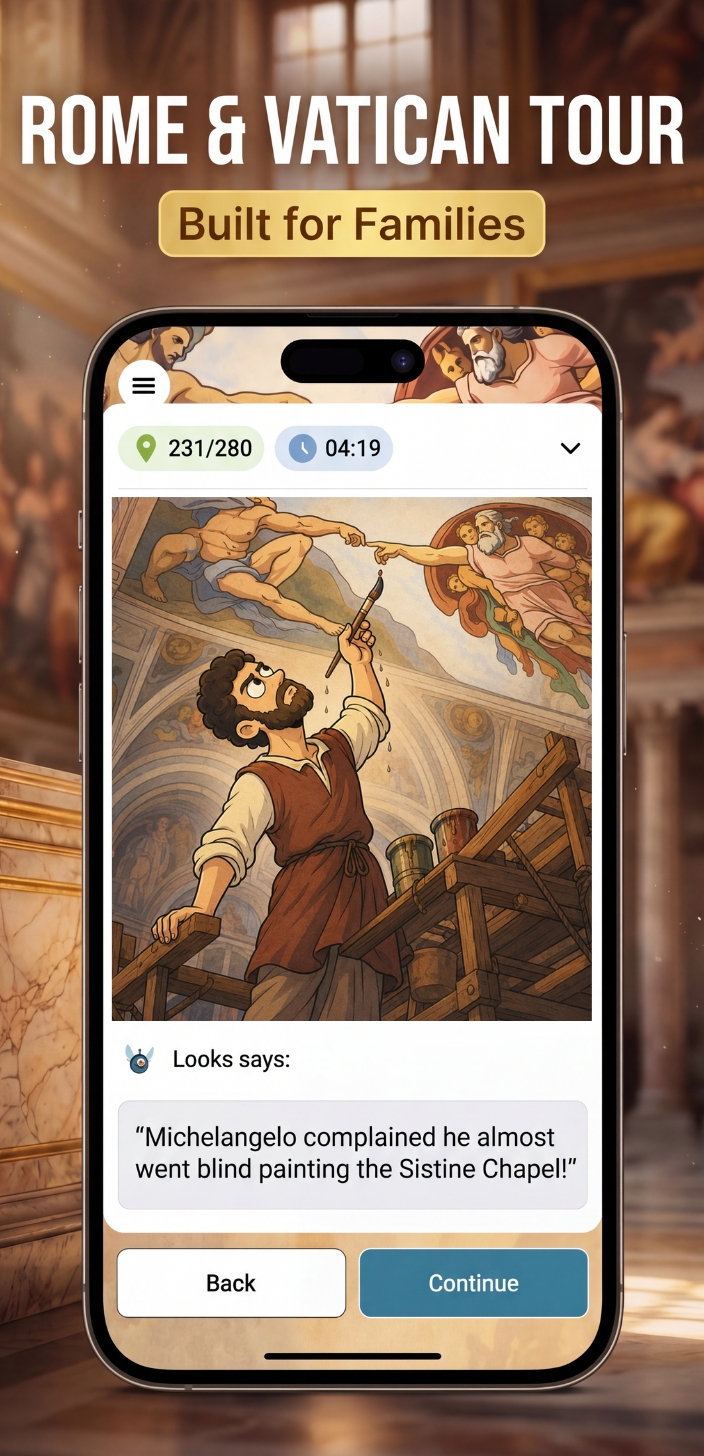
Michelangelo spent four years standing on scaffolding, head tilted back, painting directly above himself for hours every day. Paint dripped into his eyes. He wrote complaining letters and poems about the experience. He nearly lost his eyesight.
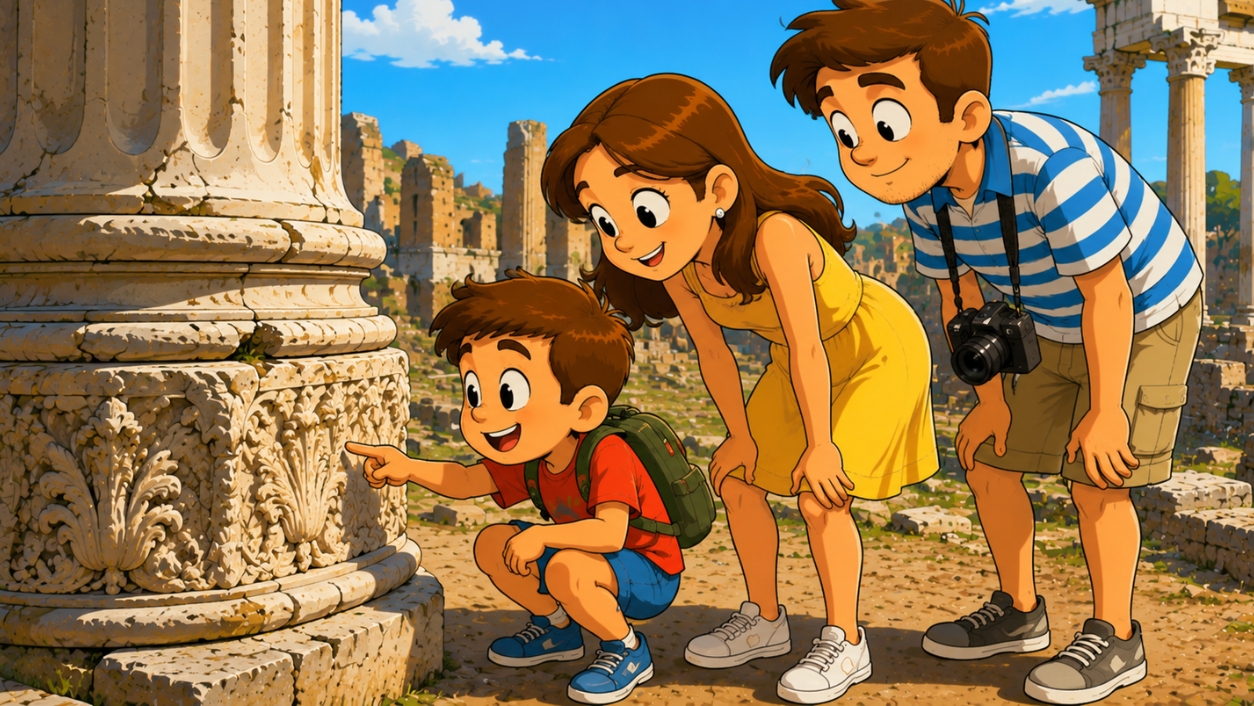
And then – according to many art historians – he hid things in the work itself. Several panels contain shapes that closely resemble the human brain and spinal cord, discovered by researchers centuries later. Nobody knows for certain if this was deliberate. But once a child is told to look for it, they cannot stop looking.
This single story turns “looking at a ceiling” into a four-year ordeal, a possible secret code, and a genuine mystery – all true, all checkable, all far more interesting than a date and an artist’s name.
The Vatican Sits on Top of a Cemetery - With Millions of Bodies
This is the fact that makes children go quiet for a second before asking a dozen follow-up questions.
Beneath St Peter’s Basilica and the surrounding area lies one of the largest ancient Roman burial grounds ever discovered – containing the remains of millions of people across centuries of use. Excavations beneath the basilica uncovered an entire ancient necropolis, streets of tombs preserved beneath the modern building.
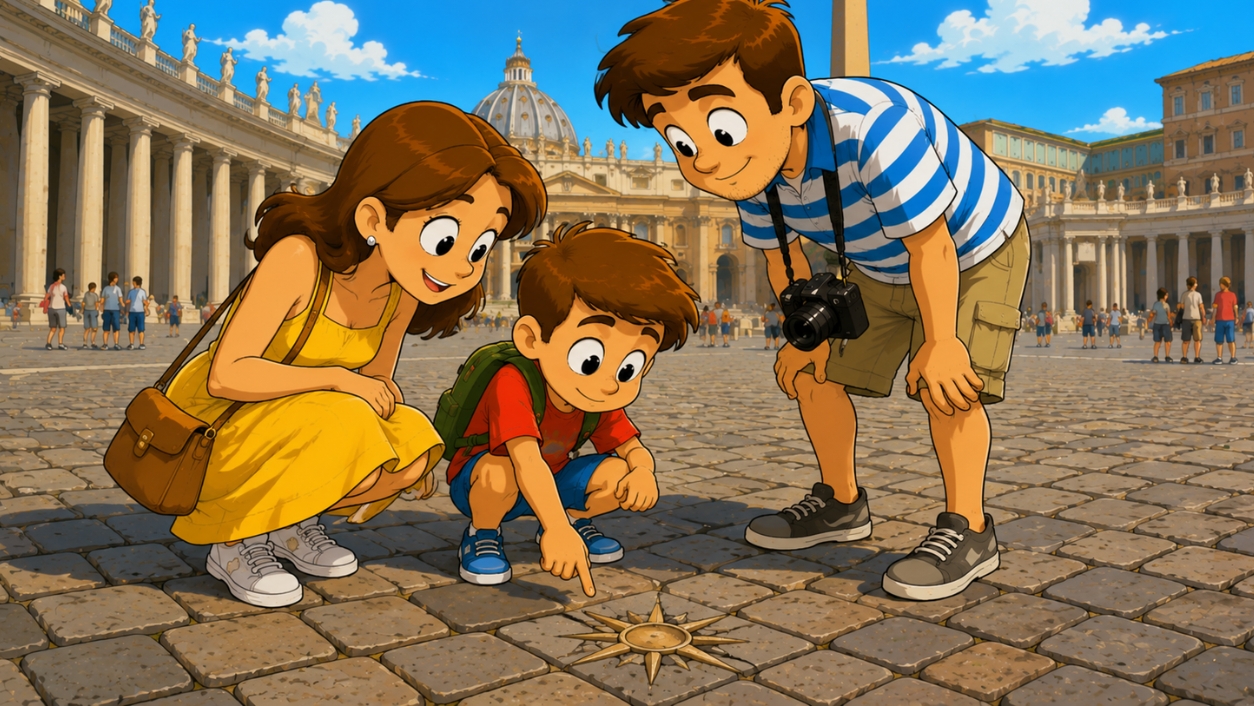
For a child standing in St Peter’s Square, the ground beneath their feet suddenly has a story. This is not abstract history. It is something physically there, right now, underneath them.
Why These Stories Work ?

There is a pattern to all five of these stories. None of them are simplified. None of them are “the kids’ version” of history. They are the real history – the parts that happen to be genuinely dramatic.
Children are drawn to mystery, danger, scale and the slightly forbidden. Ancient Rome has all four in abundance – flooding arenas, secret trapdoors, hidden codes, bodies beneath the ground. The trick is not making history fun for kids. The trick is telling them the parts that were always genuinely wild, and trusting that they’ll find it as fascinating as it actually is.
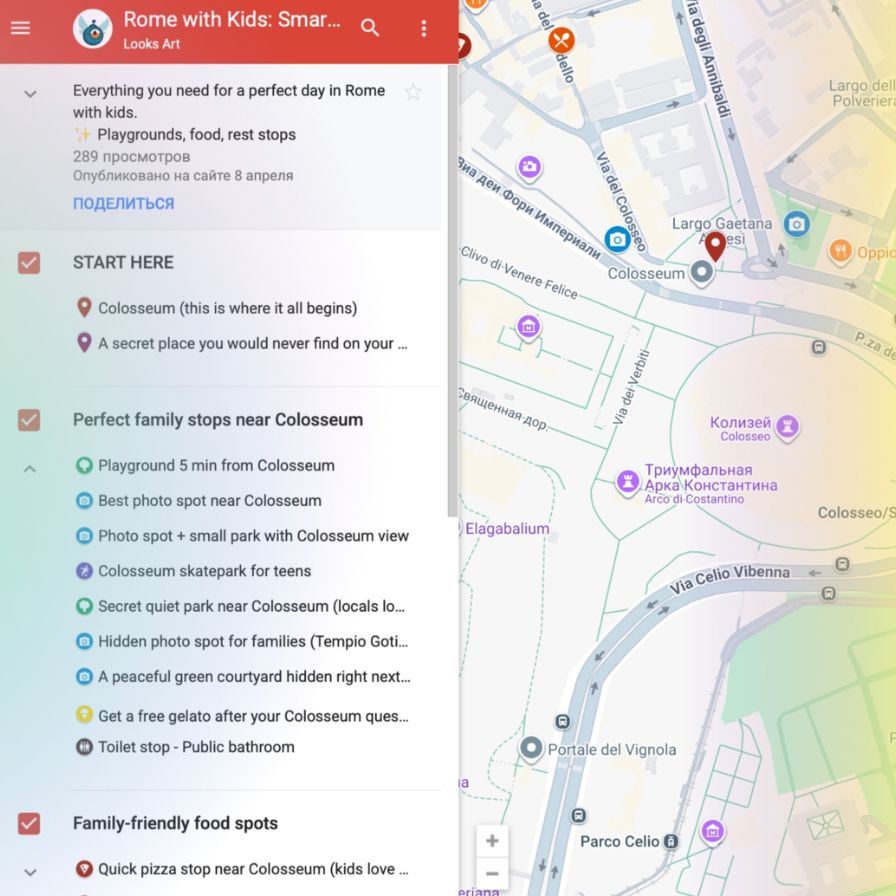
This is exactly the principle behind LooksArt. Each adventure is built around stories like these – delivered through missions and discovery rather than information panels, so that children find these facts themselves rather than being told them.
The Colosseum Secrets adventure includes the flooding, the trapdoors and the celebrity gladiators. The Vatican Secrets adventure includes the hidden symbols in the Sistine Chapel and the story of what lies beneath St Peter’s Square.
“What I hear, I forget. What I do, I understand.” – Aristotle
Tell your child these five stories before you go. Then watch what happens when they see the real thing.
🗺️ GET OUR FREE SMART FAMILY MAP
Every hidden detail, every story-worthy spot near Rome’s main sights – tested by a local Rome mum with 10 years of experience.
Follow us on Instagram @looksart.eu and send MAP in a direct message. 🗺️