
Why Does Everyone Say Rome Is Hard With Kids? We Tried It
Type “Rome with kids” into Google and the results read like a warning label. Too hot. Too much walking. Too many crowds. Too much standing in line. Too much history that goes over their heads.
We’ve read all of it. And after 10 years of actually doing this – with our own kids, and with hundreds of families who trusted us to plan their trip – we want to give you the honest version.
Some of it is true. Most of it depends entirely on how you approach it. Here’s what we actually found.
"It's Too Hot"
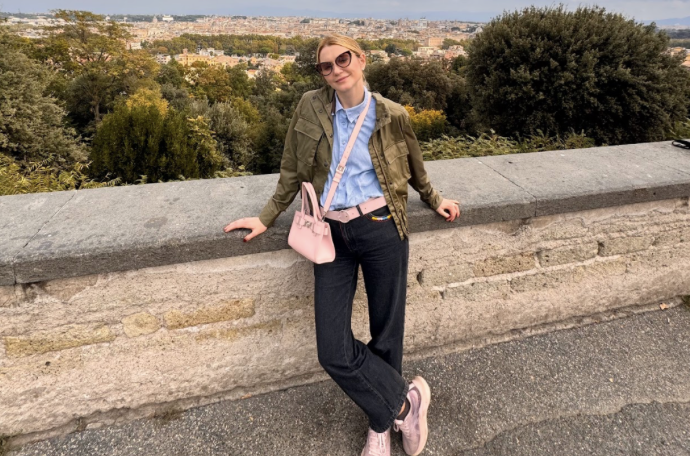
True. Particularly in July and August, Rome regularly hits 35 degrees, and the cobblestones radiate heat back up at you for hours after the sun goes down.
But here’s what the warnings don’t tell you: Rome before 9am is a completely different city. Quiet streets, golden light, manageable temperatures, and almost no queues at the major sites. The trick is not avoiding Rome in summer – it’s restructuring the day around it. Mornings for monuments, midday for indoor museums or a long lunch, evenings for everything else.
Once you stop trying to do a “normal” sightseeing day in 35 degree heat, the heat stops being the problem.

"There's Too Much Walking"
Also true – and this one genuinely catches families off guard. A day that looks like “just the Colosseum and the Forum” on a map can easily become 8 to 10 kilometres of walking, much of it on uneven ancient stone.
What actually helps: closed shoes instead of sandals (the cobblestones are brutal on bare feet over distance), a backpack with water for each child, and – critically building in stops that don’t feel like stops. A gelato break isn’t wasted time. It’s the thing that makes the next hour possible.
We’ve also noticed something simple but important: children who have something to do – a mission, a question to answer, something to find – walk further without complaining than children who are just being walked somewhere.
"The Crowds Are Overwhelming"
This depends enormously on timing, and almost nobody plans around it properly.
The Colosseum and Vatican Museums are at their most crowded between 11am and 2pm – exactly when most families arrive, because that’s when everyone else arrives too. Arriving at opening time, or visiting in the final two hours before closing, can mean the difference between a calm, spacious visit and a genuinely stressful one.
The crowds aren’t a fixed feature of Rome. They’re a fixed feature of the middle of the day.
"Kids Get Bored By History They Don't Understand"
This is the one we hear most often and it’s also the one that’s most fixable.
The problem isn’t that history is boring to children. The problem is how it’s usually presented. Information panels, audio guides reciting dates, adults reading aloud from guidebooks – all of this asks a child to be passive for long stretches, and children are not built for passivity.
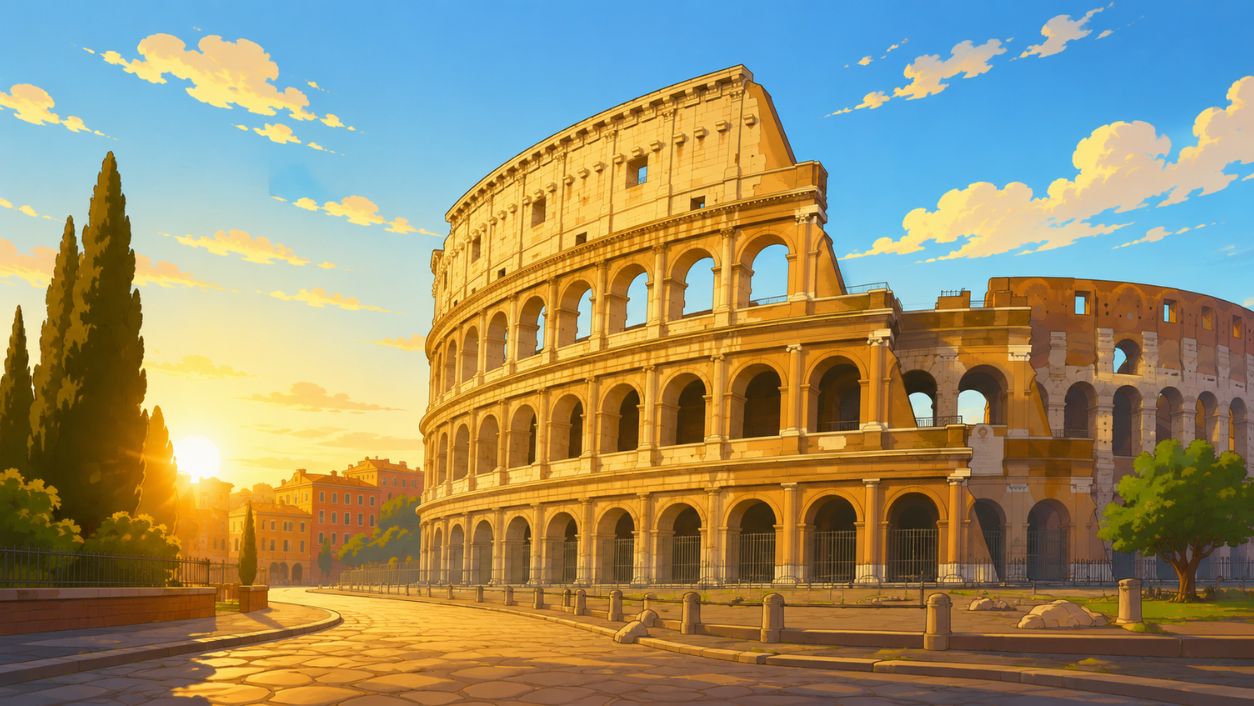
What actually works is the opposite: specific, slightly shocking facts (the Colosseum could be flooded for naval battles), a mission to find something (a hidden symbol in the Sistine Chapel ceiling), or a question that has a genuinely surprising answer (were gladiators really all slaves?).
Children don’t get bored by ancient Rome. They get bored by being told about ancient Rome instead of being shown it.
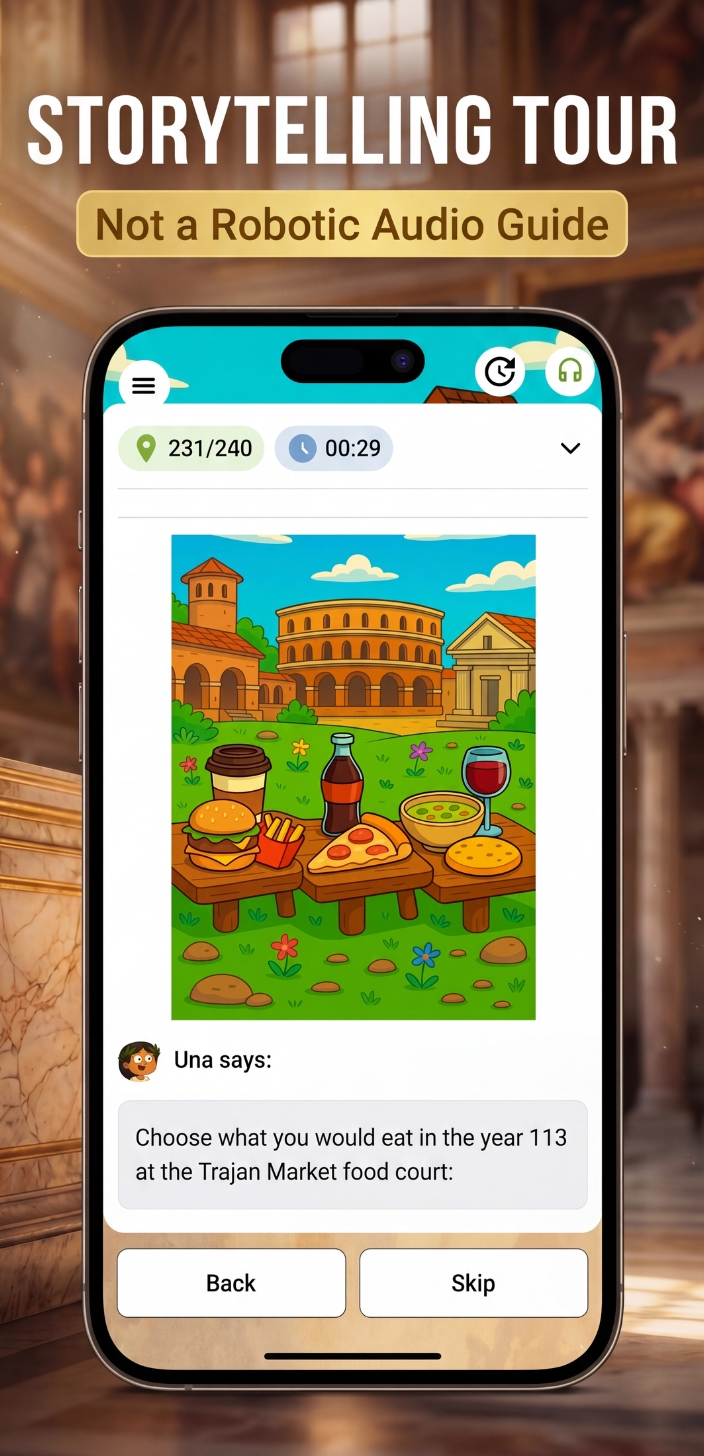
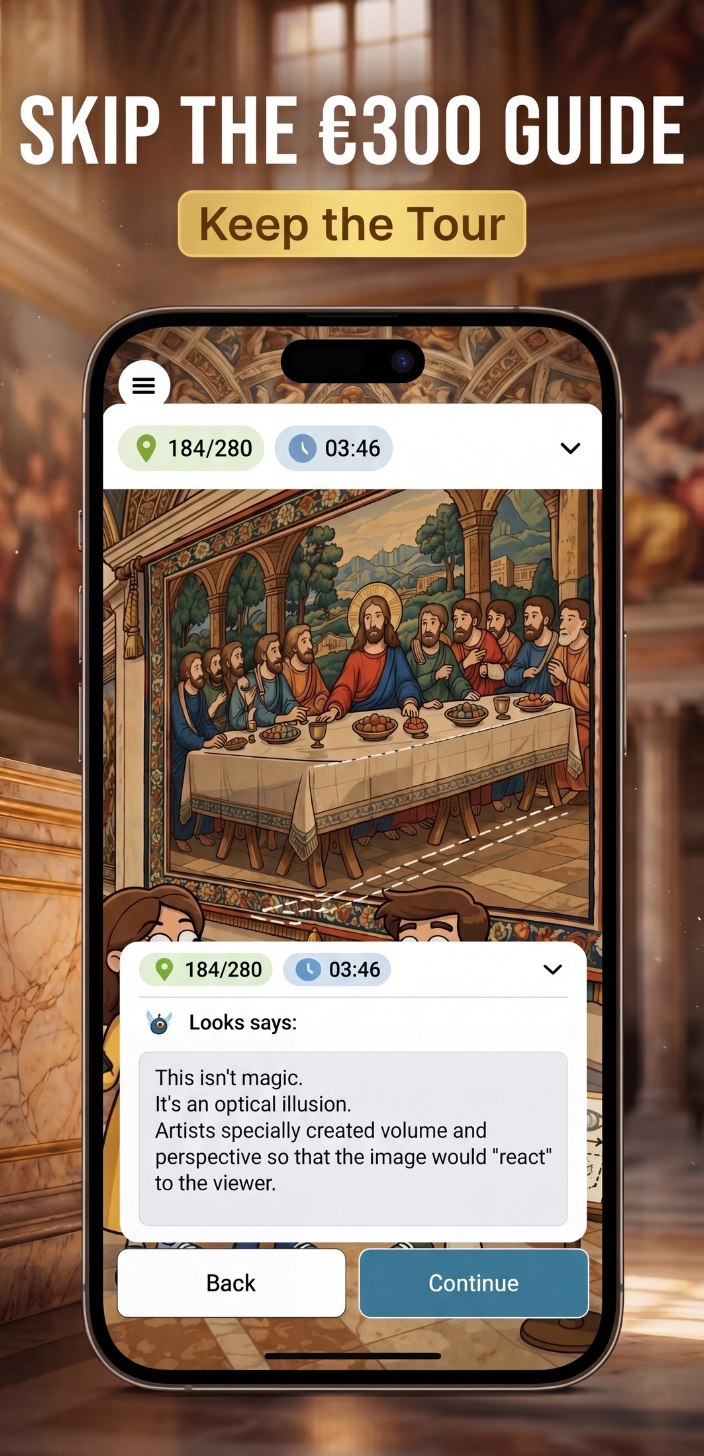
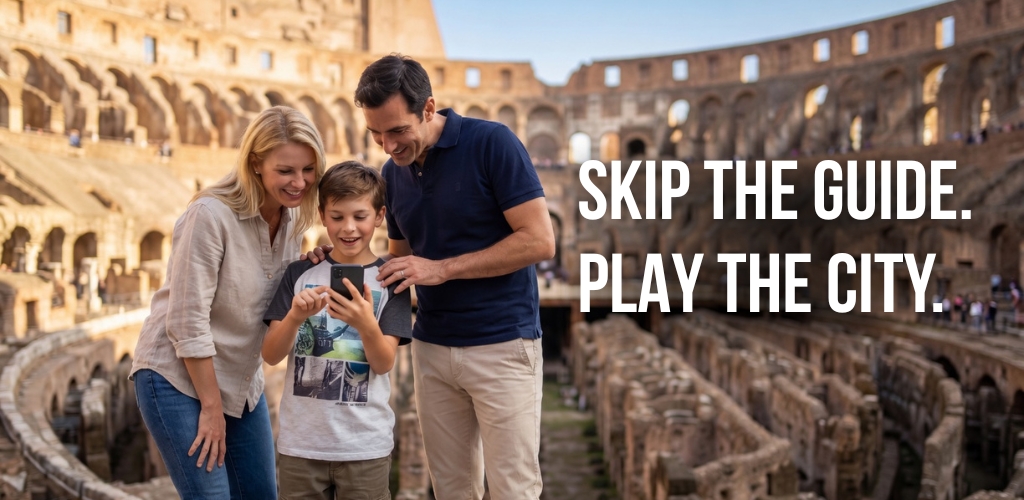
This is the entire premise behind LooksArt – missions and stories instead of information delivered at children. The Colosseum Secrets adventure and Vatican Secrets adventure are built entirely around this idea: children lead, and the history comes to them through discovery.
"It's Expensive"
This one is partially true, but the expensive parts are often not the parts families expect.
A private guide costs €150 to €300 for half a day. A group tour runs €50 to €80 per person – for a family of four, that’s €200 or more, often standing in a crowd with twenty strangers. An audio guide is around €15 per person – €60 for a family of four, for something children typically stop listening to within ten minutes.
What’s often overlooked: children under 18 get free entry to the Colosseum. Adults pay €18. The Pantheon costs just €5 for adults (rising to €7 from July 2026) and is free for under 18s – one of the best-value major monuments in the city. Public transport is free for children under 10.
The expensive parts of a Rome trip with kids are often the things designed for adults – guides, formal tours, lectures – not the city itself.
So - Is Rome Hard With Kids?
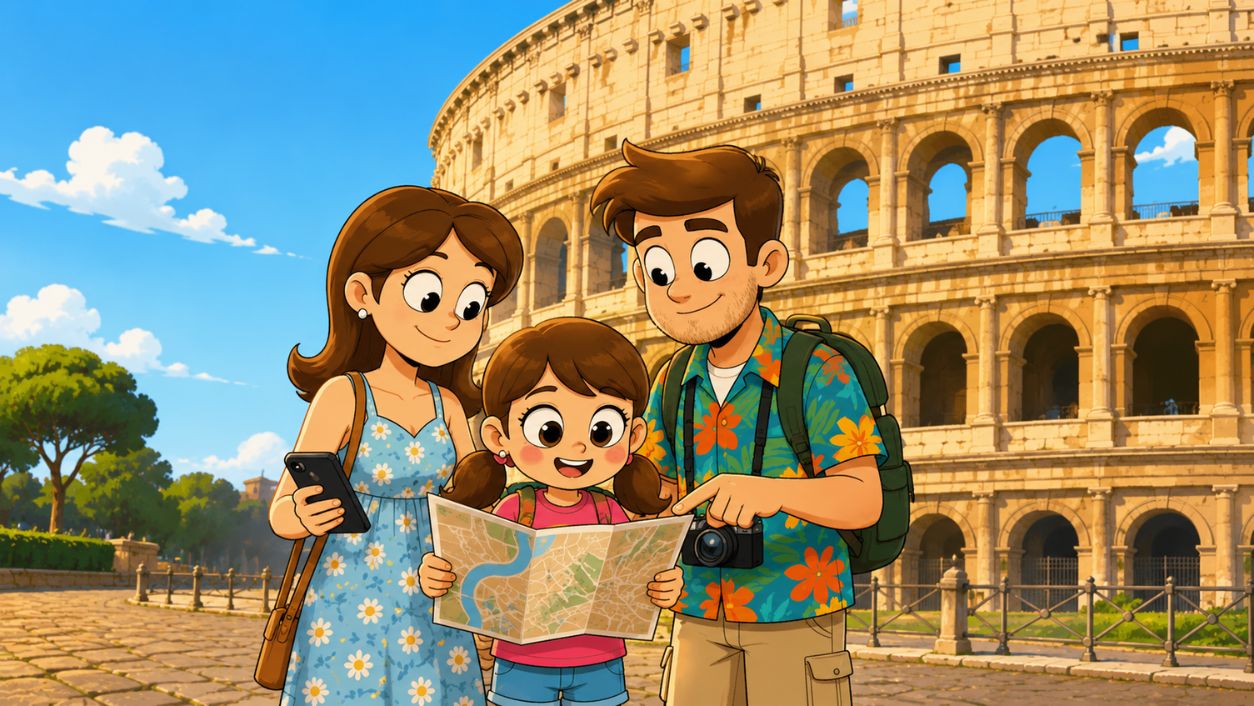
Honestly? Rome is hard with kids in the same way most cities are hard with kids: if you try to do the adult version of the trip with children attached to it.
The heat is real, but mornings exist. The walking is real, but missions make it disappear. The crowds are real, but they have a schedule. And the history isn’t boring – it just needs to be experienced rather than explained.
We’ve taken thousands of families through this city over 10 years. The families who struggle are almost always the ones trying to do “Rome” – the full adult itinerary, compressed, with kids along for the ride.
The families who have a genuinely great time are the ones doing “Rome with kids” – a different trip entirely, built around how children actually engage with a city. Once you make that shift, most of what makes Rome “hard” simply stops applying.
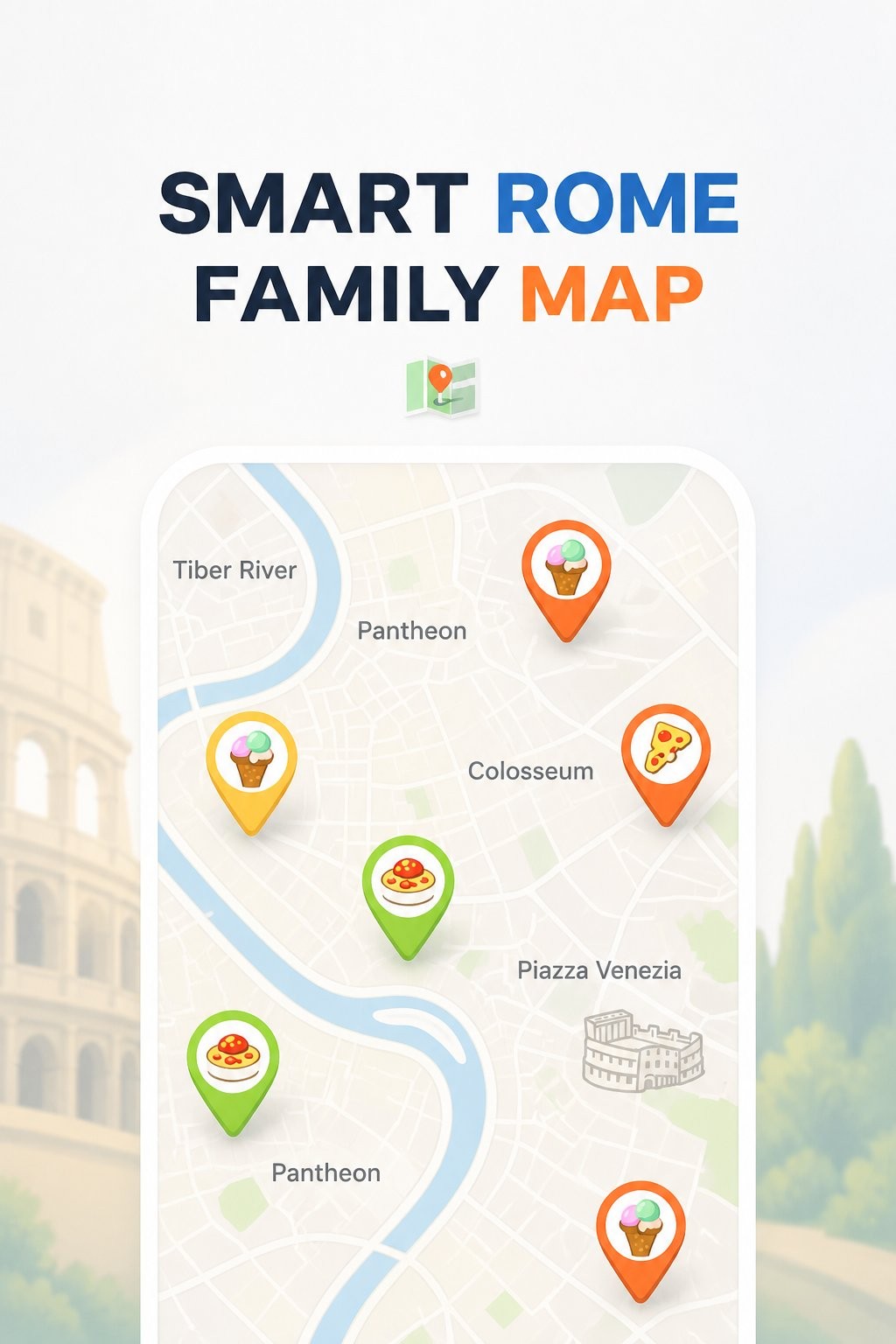
🗺️ GET OUR FREE SMART FAMILY MAP
Shaded parks, water fountains, family restaurants and the best early-morning routes – tested by a local Rome mum with 10 years of experience.
Follow us on Instagram @looksart.eu and send MAP in a direct message. 🗺️