Based on ten years of real family tours across Italy.
Why Italy with children is either magic or an ordeal
In your head it is ice-cream smiles against a Tuscan sunset. In practice it is exhaustion in museums, emergency toilet hunts and “are we there yet” by the third hour.
The difference between those two trips has almost nothing to do with what you see. It comes down to pace, food, and whether the child has a reason to walk ahead. Below are the twenty-four things that create that difference, grouped by theme rather than dumped into one long list.
Pace: five rules that decide everything
1. An early start beats a long day
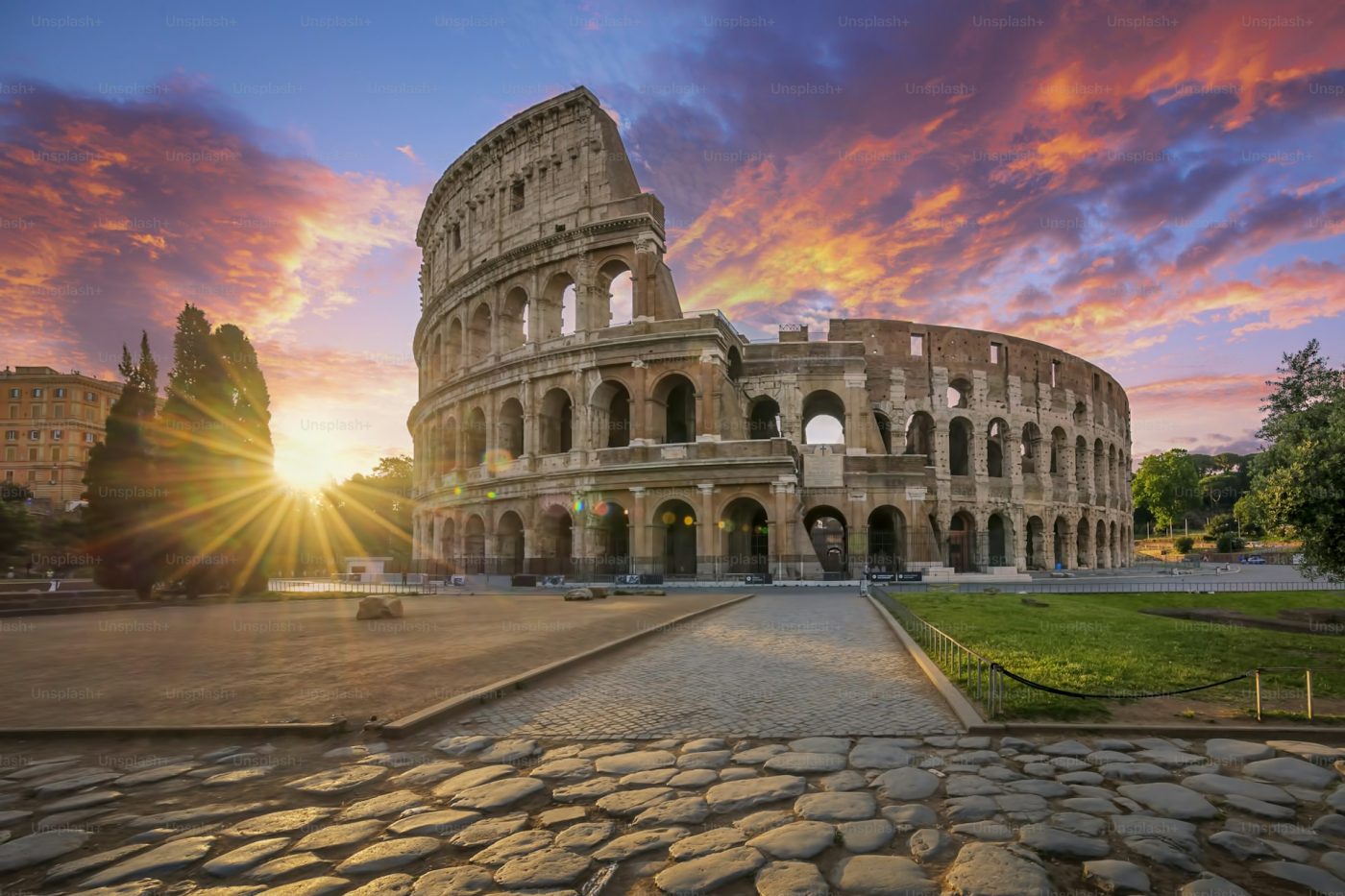
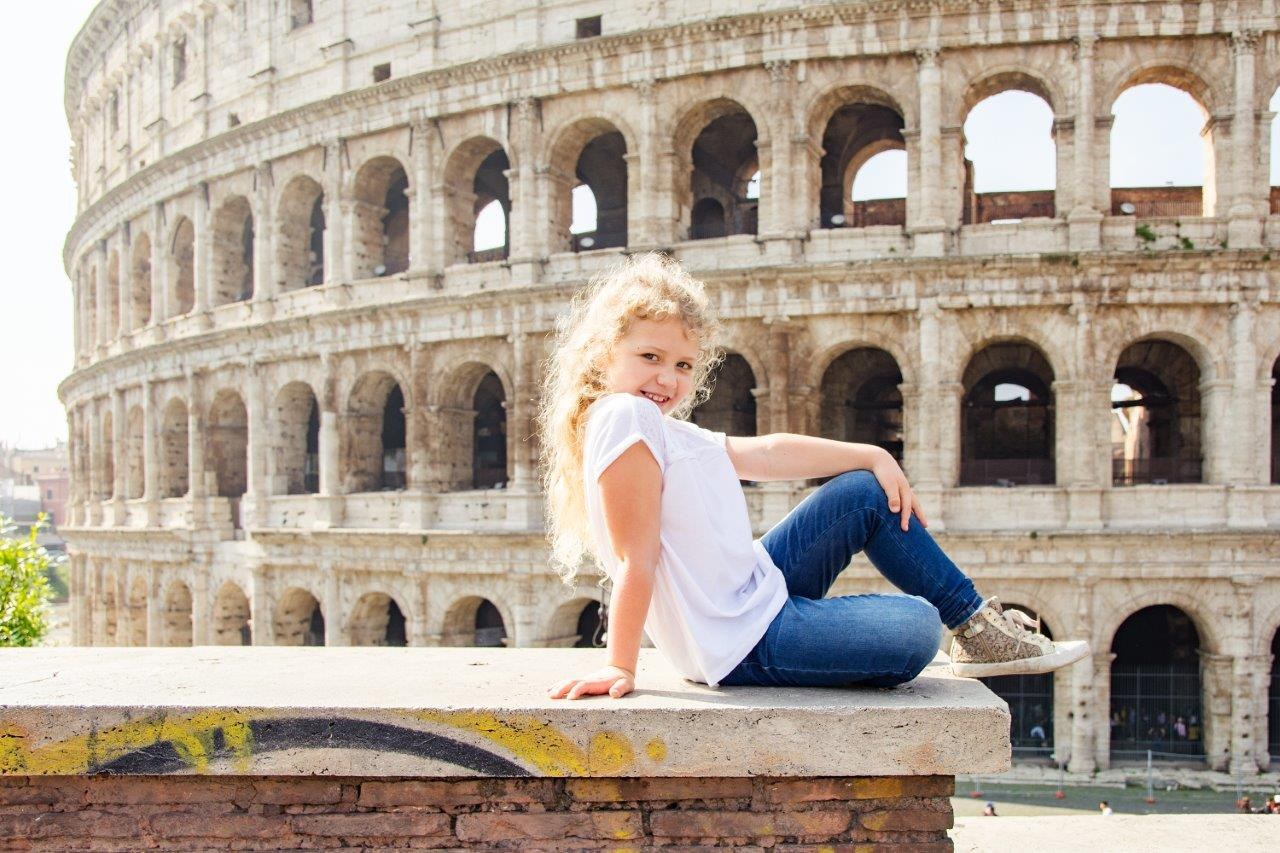
Arriving at the Colosseum or the Uffizi before opening buys you ninety minutes without crowds and without heat. Those ninety minutes are worth more than three hours after lunch, when the children are finished.
2. Slow beats a lot
Three cities in ten days is the limit. Every transfer eats half a day, and impressions of a fourth city simply do not fit. Skipping a museum for a picnic under the olive trees is not a failure of the plan — it is the best part of it.
3. One museum a day
A child’s attention on an exhibition lasts forty minutes, an hour at most. A second museum straight after is money spent and an evening ruined.
4. Live on Italian time
In the south and in small towns almost everything closes from one until four. That is not an obstacle, it is a timetable: lunch, a rest or an air-conditioned museum, with the streets left for morning and evening.
5. A plan B is compulsory
Museum closed, rain, the youngest running a temperature. If the alternative was thought out in advance, the day shifts. If not, it collapses.
Food, water and toilets
6. Gelato is not a dessert, it is a reset button
A meltdown in the middle of Florence is cured by one cone. This is not indulgence: the child has run out of sugar and patience, and ice cream returns both in five minutes.
7. Pocket snacks matter more than the guidebook
Hunger ruins a day faster than heat, and the queue for the Vatican is the worst place to discover it. Biscuits, nuts and fruit in your bag solve half the problems of the trip.
8. Water from the street fountains
All over Italy the water in public fountains is drinkable, cold and free. One refillable bottle covers the whole family, and there is no need to buy water on every corner.
9. Know where the nearest toilet is
With small children toilets matter more than museums. You can search for “toilette pubblica”, but something else is more reliable: plan the route so there is a café along it.
10. Restaurants that welcome children
In a trattoria with a simple menu a child gets pasta and pencils, and dinner goes calmly. The more elaborate the menu, the longer the wait — and waiting is not a skill children have.
Logistics without the stress
11. Bright clothes
A child in a bright yellow t-shirt is visible across twenty metres of crowd on Piazza San Marco. It is the simplest and most effective safety measure there is.
12. Wipes and tissues
Sticky hands after gelato and one paper tissue between four people is familiar arithmetic. A pack of wet wipes weighs nothing and removes half the irritation.
13. Travel light
One case per adult, one rucksack per child. Italian stations, cobbles and the stairs in old buildings forgive a lot, but not a spare suitcase.
14. A shade strategy
In the southern summer, midday is for being indoors. Put museums and lunch in the hottest hours and save the streets for morning and evening. That is not lost time, it is how people here actually live.
15. Tickets in advance
Colosseum, Uffizi, Vatican Museums, Borghese Gallery — all timed entry, and popular dates go weeks ahead. The queue without a booking in summer is ninety minutes in the sun with children.
How to hold their interest
16. Tell the city as a story
“Built in 1420” does not work. “A man lived here who worked out how to raise this dome, and nobody believed him” does. A child needs a plot, not a date.
17. Small goals instead of big ones
“Let’s find three fountains today” beats “let’s see the centre”. The day gets an aim that can actually be completed, and by evening there is something to be proud of.
18. Give the child the map
A paper one, theirs, and they can draw on it. Whoever is leading does not ask how much further. Children of seven to twelve handle this better than their parents expect.
19. Learn a few words together
The child says “grazie” and the market trader smiles at them rather than at the parents. Five words change how a family is received more than any guidebook.
20. Always carry something small to do
A little colouring book, stickers or a notebook take up nothing and save you on the train, in a queue and in the restaurant while the adults finish eating.
21. Rain is an adventure
Puddles in Florence are an opportunity, not an obstacle. Spare socks, a rain cover and the right attitude turn a ruined day into the one the children talk about afterwards.
22. Stations are playgrounds
The train is late and the children are bored. A game of “spot the symbol” — clocks, lions, mosaics, a letter in the vaulting — turns waiting into an activity. Termini and Milano Centrale have plenty to find.
What stays with you afterwards
23. Photograph joy, not poses
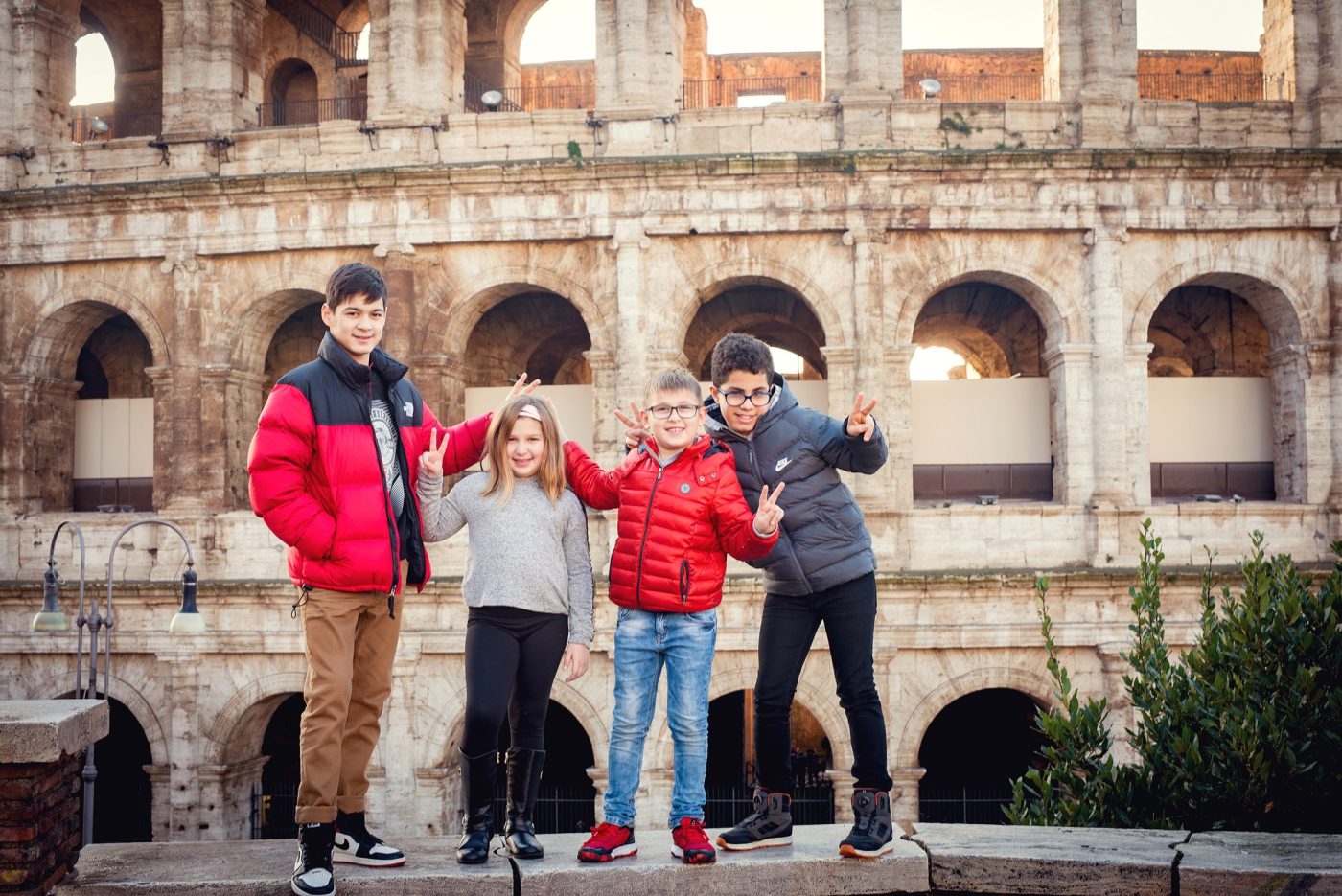
Staged shots end in tears; laughter lasts. Shoot while the child is busy: counting columns, running, holding a pumpkin bigger than they are.
24. End the day with a ritual
A postcard, a line in a notebook, a gelato on the same square — anything that says the day is over. Without a ritual the days blur into one, and a year later none of them can be recalled.
Where LooksArt helps
Of the twenty-four, one needs a tool rather than a habit: giving the child a reason to walk ahead in places where nothing may be touched.
That is what LooksArt is for — an interactive quest through Rome and the Vatican in an app. Instead of “look to your left” the child gets a mission and puzzles tied to what is in front of them; parents get short notes so there is something to answer “but why” with. You go at your own pace, and the app works offline, so no roaming is needed.
The first quest is free, the full one starts at €29 for the whole family.
In short
Travelling in Italy with children should not be survival. Almost all of it comes down to rhythm: an early start, a snack on time, one museum, a pause in the heat and a ritual in the evening.
Italy will do the rest. It is kinder to children than it looks.
Frequently asked questions
What age makes travelling in Italy with children easiest?
Between five and twelve: the child can already walk a full day and join in a game, yet is still happy to go where the parents lead. With toddlers you need a slower pace and a compulsory siesta.
How many cities should one trip cover?
No more than three in ten days. Every transfer with children eats half a day, and impressions of a fourth city no longer fit. Fewer places, more feeling — that is the central one of the twenty-four tips.
Do we need a car?
Between cities the train is easier: stations are central, children enjoy the ride and there is no parking to hunt for. A car earns its keep in Tuscany and Umbria, where the good things are scattered across the hills.
What is the siesta and how do we work around it?
In the south and in small towns much of the place closes from roughly 13:00 to 16:00. That is not a problem but a hint: use those hours for lunch, rest or an air-conditioned museum, and keep walking for morning and evening.
Can we drink from the street fountains?
Yes. Water from public fountains is drinkable, cold and free across the country. A refillable bottle saves both money and nerves, because children get thirsty without warning.
Ready to turn a tour into an adventure?
Start with the free mission by the Colosseum. If you enjoy it, unlock the full tour, from €29 for the whole family.