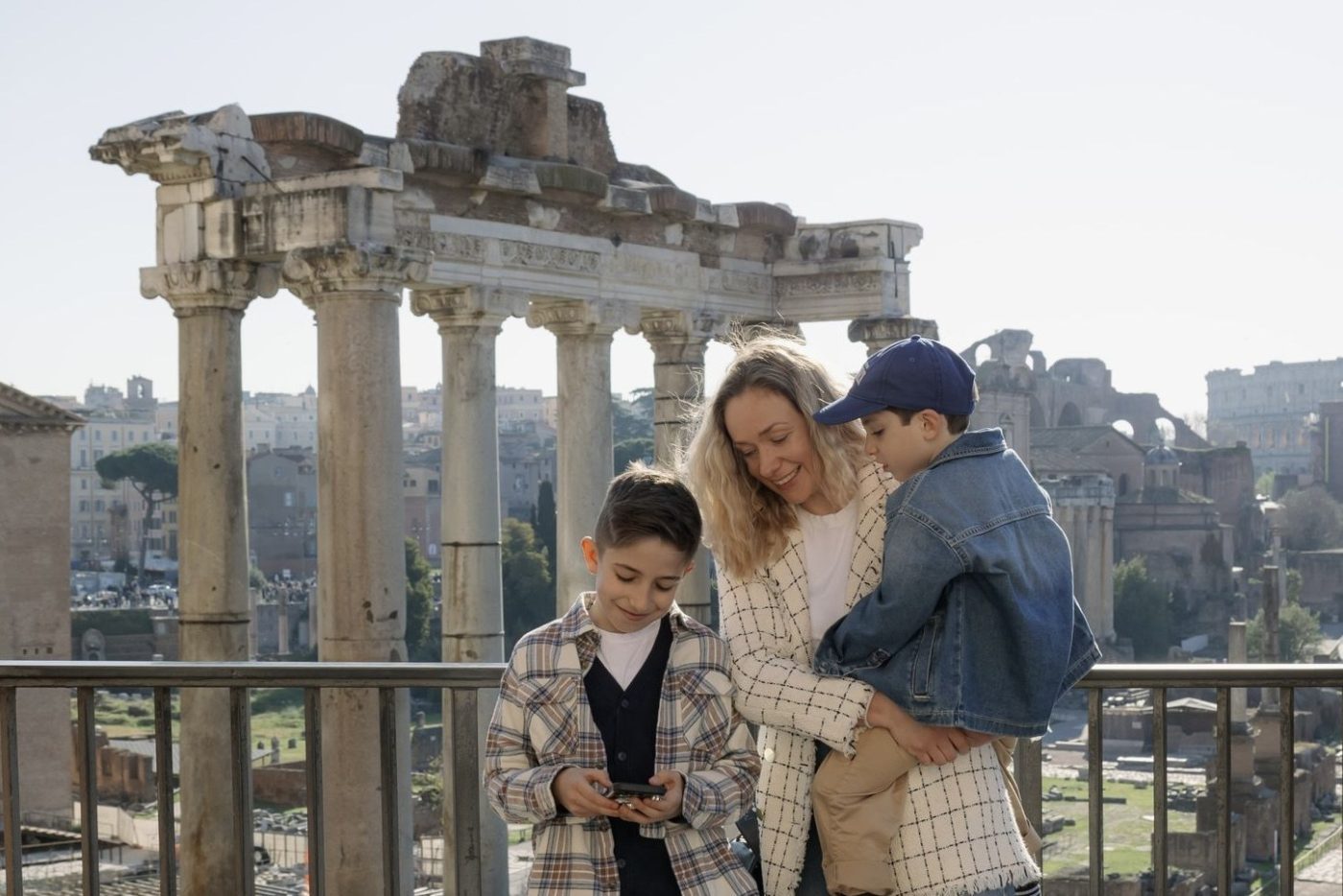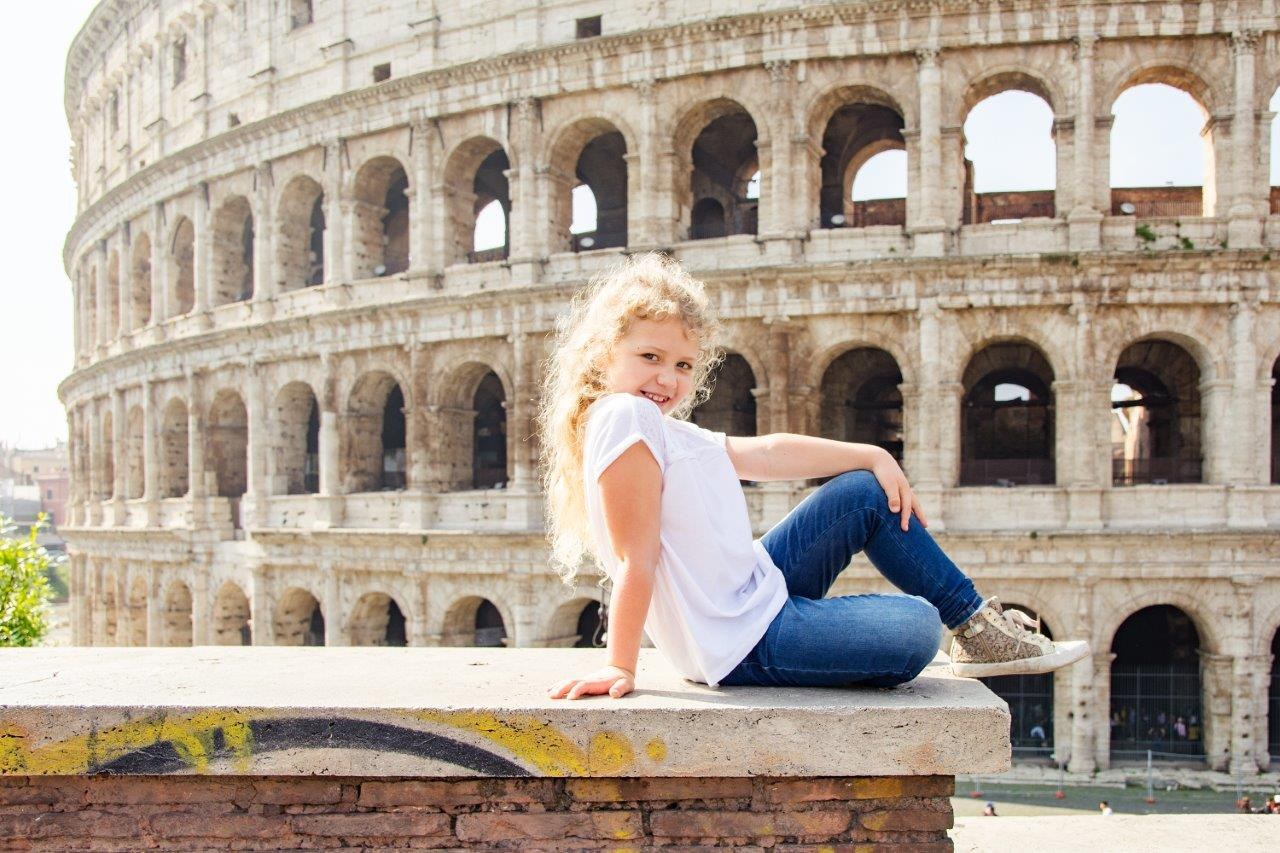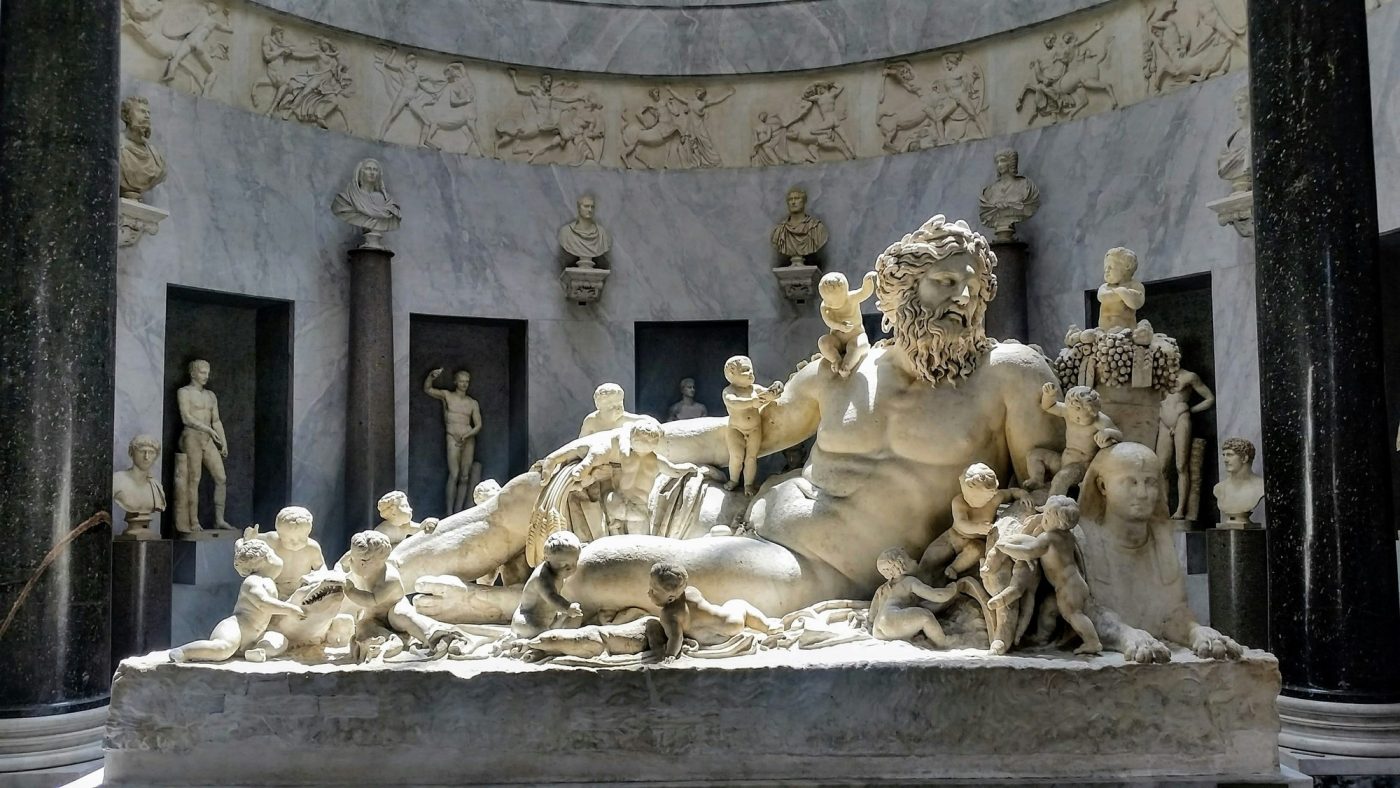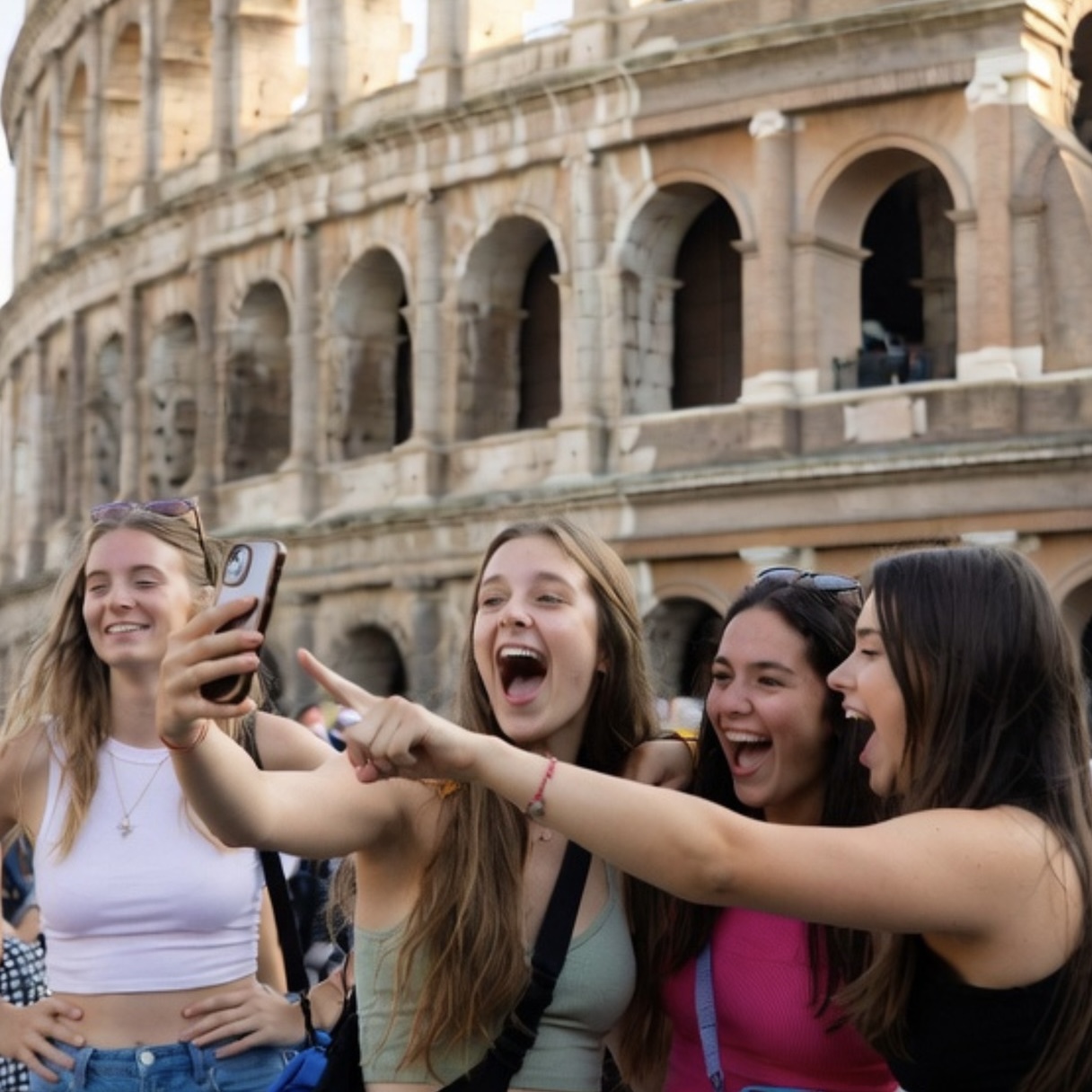
The first day in Rome with children usually goes like this: you leave the hotel with a plan for six sights, and by midday you are sitting on a kerb, sharing the last bottle of water and listening to “how much further?”
It is not the children and it is not Rome. It is that the city is not laid out the way a list of sights is laid out. Below: a three-day plan by neighbourhood, ten places that genuinely work with children, and what to book in advance so you do not lose half a day in a queue.
Why Rome with children either works or doesn’t
To a child Rome is not a museum but an obstacle course: cobblestones, heat, crowds and adults who keep leading them somewhere. Add three museums a day and by evening everybody is crying, adults included.
But the city has one quality working in your favour: almost every stone here comes with a story that has a plot. Not “built in AD 80” but “fifty thousand people came in here, and a fabric awning was stretched over them by sailors, because nobody else could handle ropes like that”. A child does not need the first. The second one they will tell their grandmother a year later.
After that it comes down to three things: the right rhythm, the right places, and a reason for the child to walk ahead rather than be dragged along.
Three days, arranged by neighbourhood
The main mistake is planning by list of sights. Then a day looks like the Vatican in the morning, the Colosseum at midday and Trastevere in the evening — three opposite ends of the city and ninety minutes on transport with tired children.
Plan by neighbourhood instead. Here is a scheme that survives contact with reality:
| Day | Area | What fits | How to finish |
|---|---|---|---|
| 1 | Ancient Rome | Colosseum, Forum and Palatine, Mouth of Truth, Circus Maximus | Gelato on the Aventine hill |
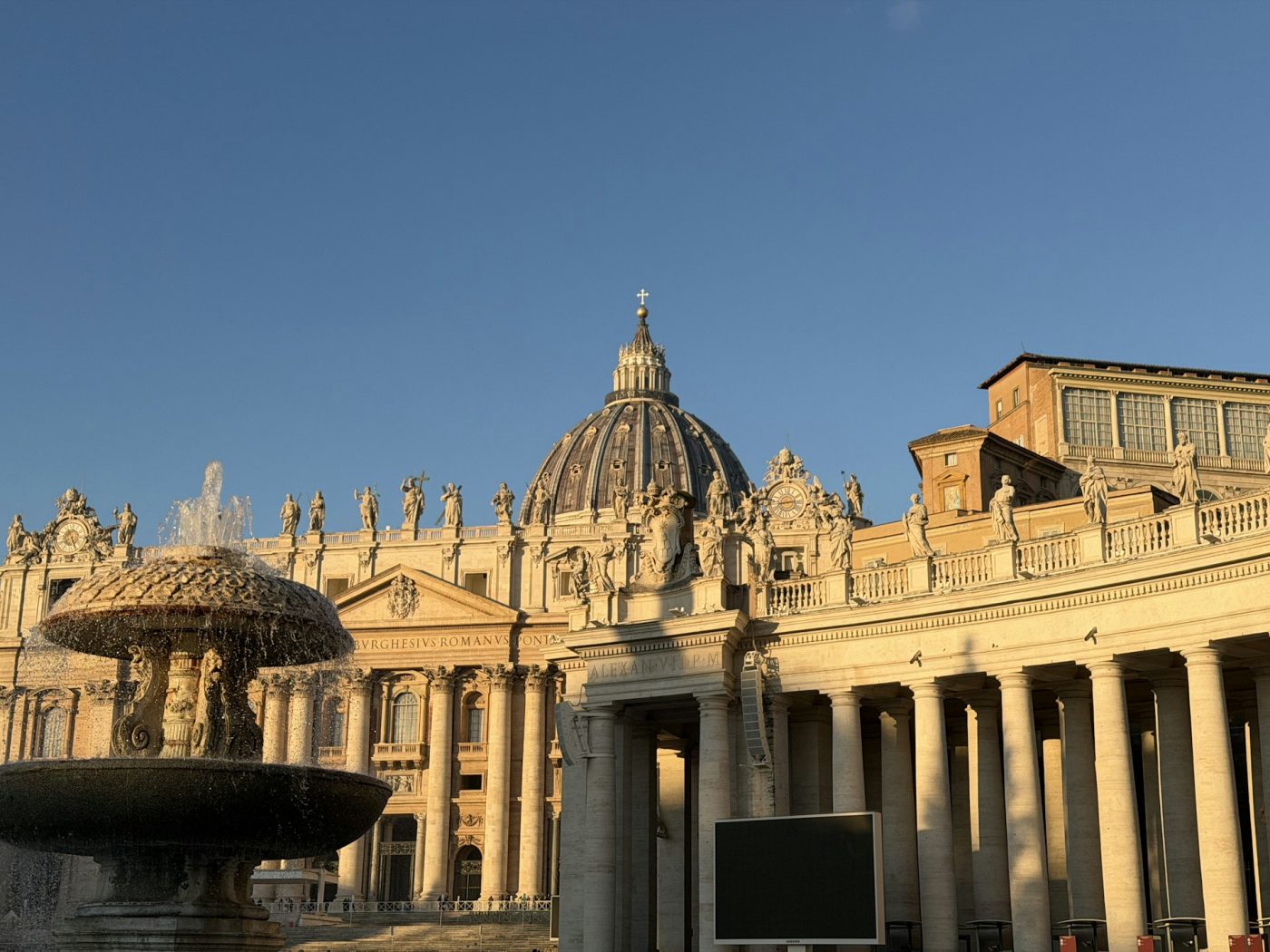
| 2 | Vatican and the Tiber | Vatican Museums and the basilica, Castel Sant’Angelo | Up to the Gianicolo for the noon cannon or the sunset |
| 3 | Centre and park | Navona, Trevi, Campo de’ Fiori, Villa Borghese | A rowing boat on the Borghese lake, Trastevere at night |
A fourth day, if you have one, is best kept in reserve: for rain, for “nobody is going anywhere today”, or for a trip out to Ostia Antica.
Ten places that work with children
1. The Colosseum and the Roman Forum
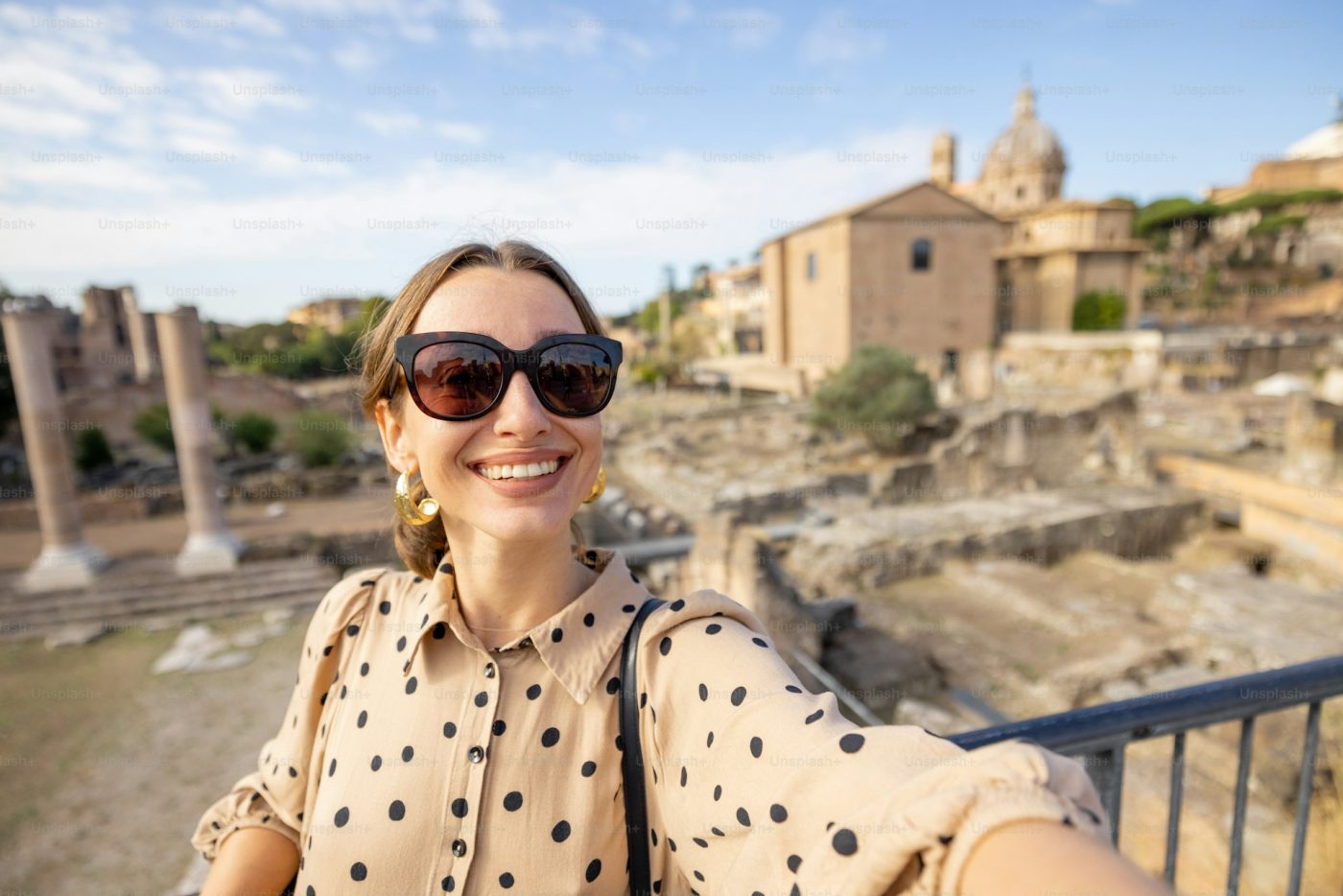
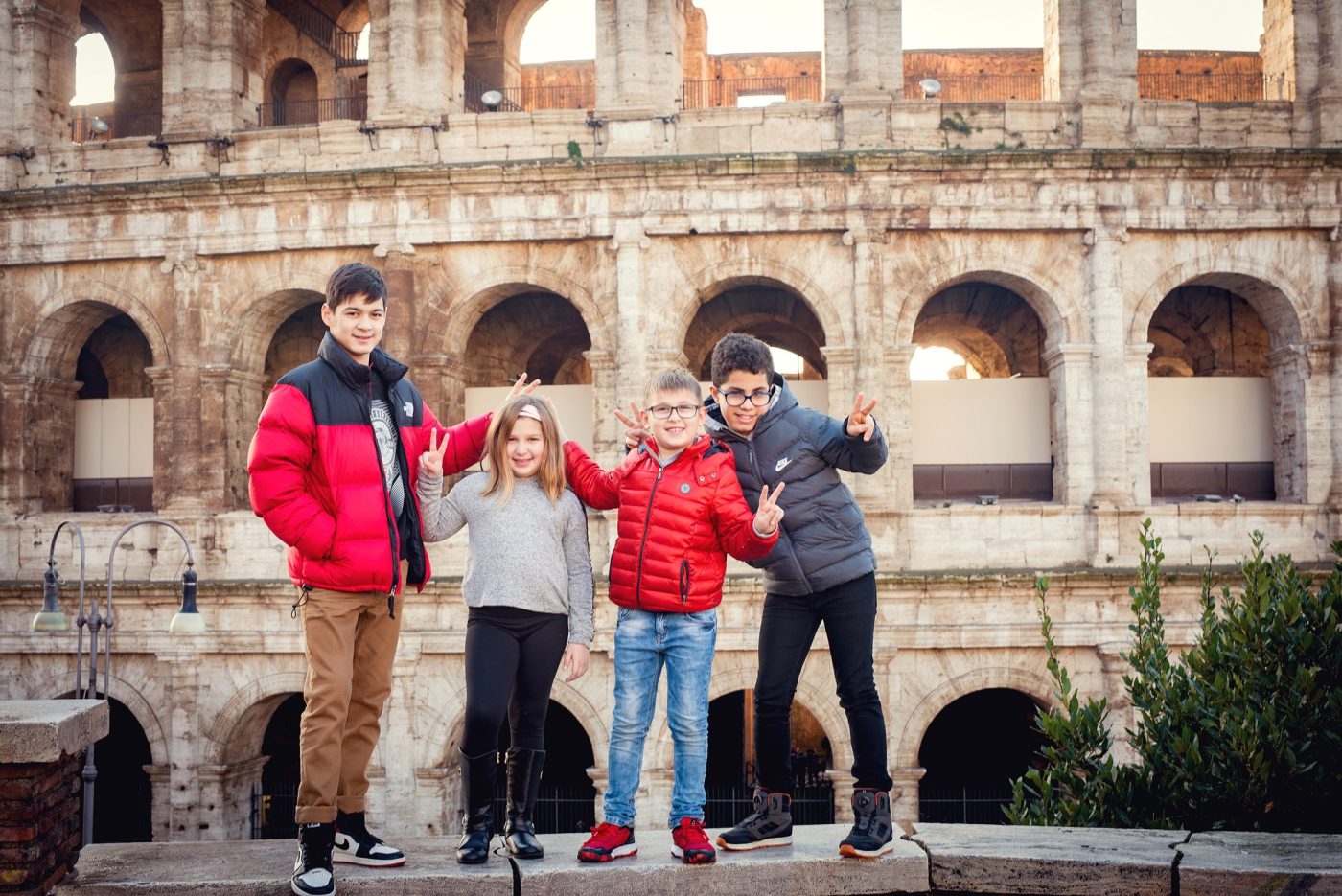
The one place in the city where a child grasps the scale immediately: the tiers, the arena, the stands. The Forum and the Palatine next door work even better — no barriers, and you can walk freely imagining where the palaces and the senate stood.
Metro Colosseo, line B. One ticket covers the Colosseum, the Forum and the Palatine; entry is free for under-18s, but a named ticket is still required and staff ask for an ID document. Allow three hours for the whole thing, or better, split it across two visits.
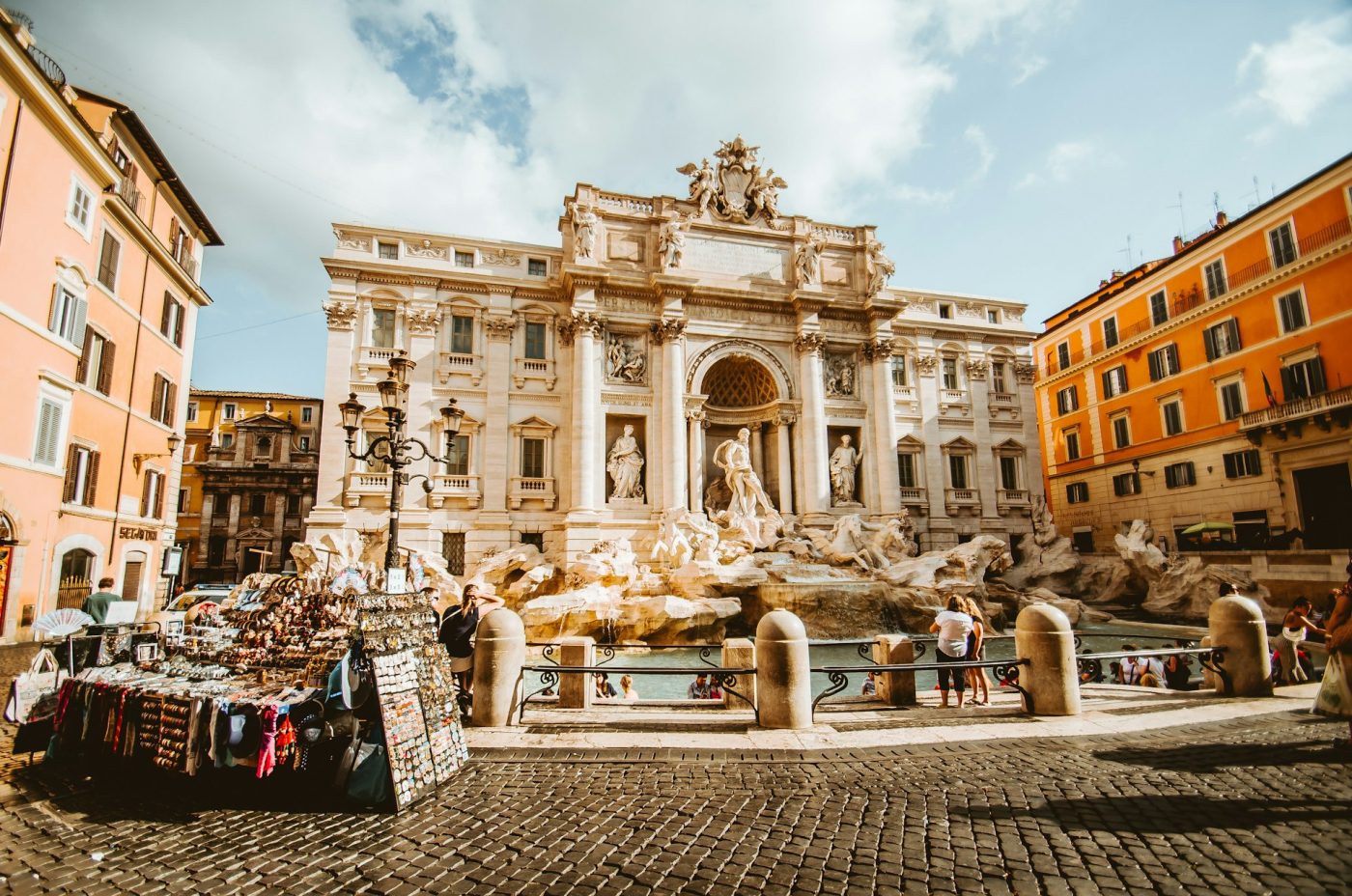
2. The Trevi Fountain
Five minutes worth getting up early for. During the day people stand three deep at the rim; at nine in the morning, or after nine at night, the fountain is almost yours.
Metro Barberini, then a ten-minute walk. A task for the child while you take photos: find the smallest figure in the marble waves.
3. The gardens of Villa Borghese
A place where nothing has to be viewed. Bicycles and four-seat pedal cars, boats on the lake, a toy train around the park, a puppet theatre and the Bioparco zoo with some two hundred species.
Enter from the Pincio terrace, metro Flaminio or Spagna. Half a day here goes easily, and it is not wasted: after Borghese children are ready for one more museum.
4. The Explora children’s museum
The first museum in Rome built specifically for children: a miniature city where everything can be touched, turned and tried. Here a child becomes a baker, a mechanic or an architect.
Via Flaminia 82, metro Flaminio. Entry runs in timed sessions and booking is required. The obvious choice for rain and for a summer midday when outside is unbearable.
5. Castel Sant’Angelo
A real castle: a spiral ramp, corridors inside the thickness of the walls, hidden passages and a terrace looking at the dome of St Peter’s. It lands especially well after the Vatican Museums — there they had to be quiet, here they can run.
Metro Lepanto, then on foot. Put it on the same day as the Vatican, but after, not before.
6. The Campo de’ Fiori market
A morning market of fruit, flowers and pumpkins the size of a child. Give them five euros and the right to choose for themselves — shopping turns into a game and teaches counting and negotiating along the way.
No metro nearby; it is easier to walk from Navona. Mornings only: the market packs up by lunchtime.
7. The Mouth of Truth
A stone face with an open mouth in the portico of Santa Maria in Cosmedin. The legend promises it will bite the hand of a liar, and every child wants to test it. It was most likely an ancient drain cover — but that part is better told afterwards.
Metro Circo Massimo. There is sometimes a queue, but a short one: five minutes on the spot, and they remember it all year.
8. Piazza Navona
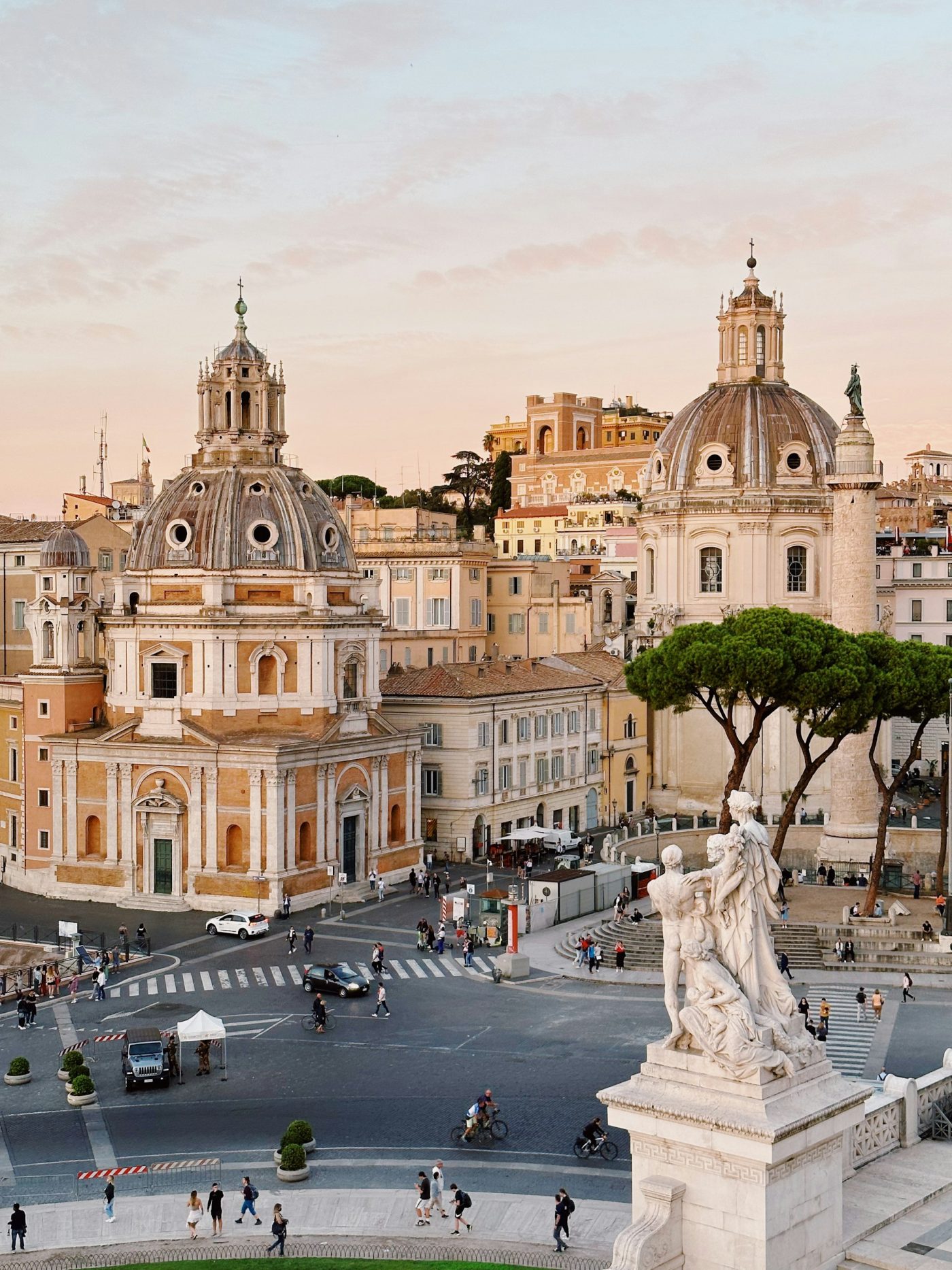
The oval shape of the square is the shape of the Stadium of Domitian, which stood here in the first century. Children run along the outline of an ancient arena without knowing it; knowing it is the part parents enjoy.
No metro nearby, so walk. The square is pedestrian and flat, easy with a pushchair. In the evening there are musicians, painters and soap bubbles.
9. Ostia Antica
A whole ancient town half an hour from the centre: streets, baths, a theatre, mosaics, and almost no barriers anywhere. Children walk where they like, and adults get Pompeii without six hours on the road.
Train from Piramide, metro B, about thirty minutes. Half a day minimum, and water and sun hats are not optional: there is very little shade.
10. The Gianicolo hill
The best view over the whole of Rome, and the day’s main event: at exactly noon a cannon fires here. A blank round, purely for the sound, every single day since 1847.
No metro; you walk up from Trastevere. Arrive by 11:45 so you have time to find a spot and warn your child that it is about to be loud.
What to book in advance
Four of the ten run on timed slots, and popular dates go weeks ahead. The rest can be decided on the day.
| Place | How far ahead | Why it matters |
|---|---|---|
| Colosseum | 3–4 weeks | Tickets appear 30 days out and morning slots go first |
| Vatican Museums | 2–3 weeks | The queue without a booking is ninety minutes in the sun |
| Borghese Gallery | 2–3 weeks | Timed entry with a limited number of visitors |
| Explora | a few days | Timed sessions, and rainy weekends fill fast |
Three facts children remember
The Colosseum had a system of fabric awnings, the velarium, stretched above the seating. Sailors operated it: nobody else could work ropes on that scale.
Rome has more fountains than any other city in the world — over fifteen hundred. Water from the street nasoni is drinkable and free, so one bottle for the family is enough.
The stone face called the Mouth of Truth was most likely just a drain cover two thousand years ago. The legend about the bitten hand came much later — and has outlived the drain.
How not to burn the day: five rules of rhythm
- Two or three stops a day, no more. And always a park or a square in between where you can simply sit.
- Mornings before 9:30 and after 16:00. Fewer people, softer light, more bearable heat. Summer midday belongs to a museum or an ice cream.
- One museum a day. A child’s attention on an exhibition lasts 40 to 60 minutes. A second museum straight after is money spent for nothing.
- Route by neighbourhood, not by list. Every crossing of the city costs an hour and a good mood.
- A ritual at the end of the day. Gelato, a postcard, a line in a notebook — anything that says the day is finished. Without it the days blur into one.
Where LooksArt helps
Everything above works while the child has a reason to walk ahead on their own. Plaques with dates and a guided talk delivered for stamina do not provide one.
LooksArt is an interactive quest through Rome in an app: instead of “look to your left” the child gets a mission, a puzzle and companions to work out with them what happened here. Meanwhile the parents receive short notes, so there is something to answer the inevitable “but why”.
The first quest is free, the full one starts at €29 for the whole family. For comparison, a family tour with a live guide in Rome starts at €150, and children stop listening around the twentieth minute. The app works offline, so no roaming is needed: download it at home and use it in the city.
What to bring
- A refillable bottle — the nasoni fountains are all over the city
- A sun hat and SPF 30+, even in spring
- Comfortable shoes: the cobbles are two thousand years old and they remember it
- Light snacks: hunger ruins a day faster than heat
- A power bank and earphones for everyone
- A scarf or light layer for churches and the evening
- A small notebook — let the children draw their own day
One last thing
Rome does not have to be completed. A child will remember not the number of things seen but three or four moments: the cannon on the Gianicolo, a hand in a stone mouth, a coin in a fountain, and the two of you working out together what stood here two thousand years ago.
Build the day so those moments fit in it. The rest can wait for next time.
Frequently asked questions
How many days do we need in Rome with children?
Three to four full days. Three cover antiquity, the Vatican and one park without rushing; a fourth gives you slack for rain, tiredness or a trip out to Ostia Antica.
What age is right for Rome?
Seven to twelve is the sweet spot: the child walks all day and joins in the game. From five it also works, but you need a slower pace and a compulsory afternoon rest.
What has to be booked in advance?
The Colosseum, the Vatican Museums, the Borghese Gallery and Explora all run limited slots, and popular dates go weeks ahead. The rest of this list can be decided on the spot.
How many stops should we plan per day?
Two or three, always with a park or a square in between. Build routes by neighbourhood so you are not crossing the city back and forth with tired children.
Is it expensive with children?
Cheaper than it looks: entry to the Colosseum is free for under-18s, parks, squares and fountains cost nothing, and water from the city fountains is free. The real spending is the Vatican, food and transport.
Ready to turn a tour into an adventure?
Start with the free mission by the Colosseum. If you enjoy it, unlock the full tour, from €29 for the whole family.